
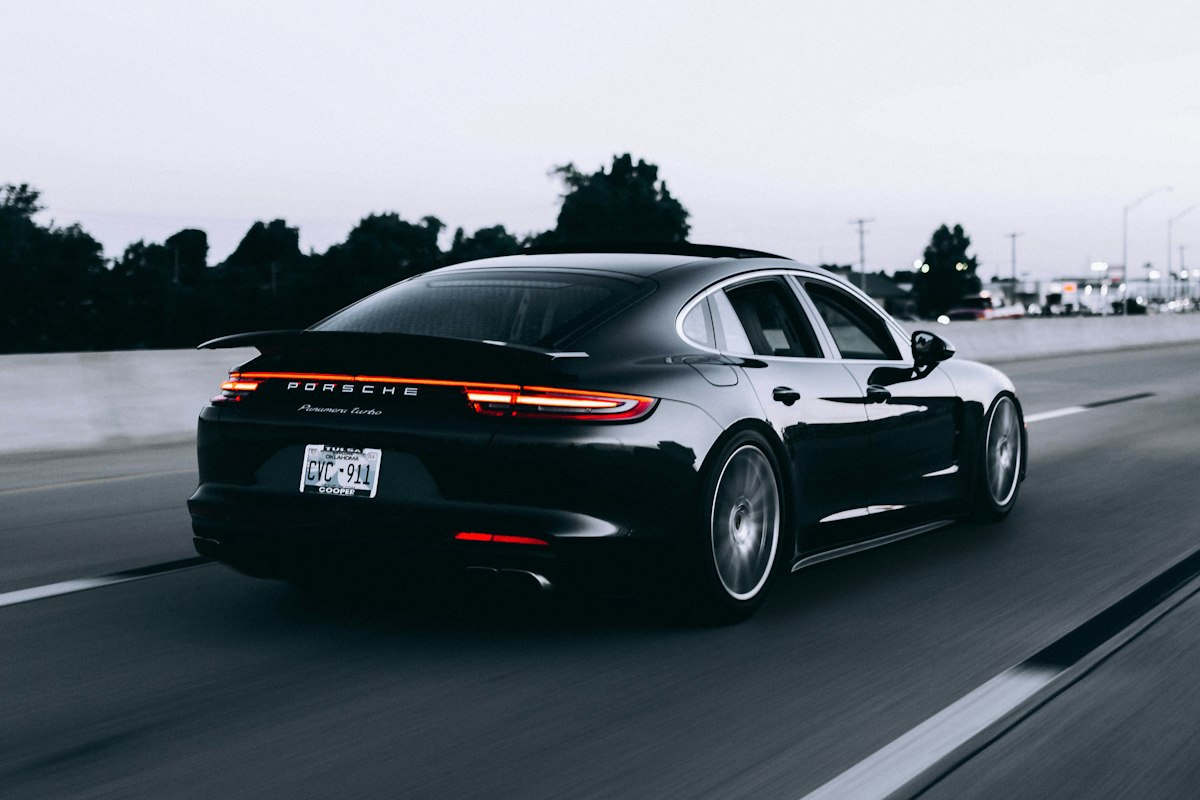
Paint Protection Film (PPF)—often called Clear Bra—represents the pinnacle of physical automotive surface defense. Unlike thin liquid coatings, PPF is a thick, transparent polyurethane armor applied directly over your vehicle's paintwork.
At The Detailing Ace, we install premium Thermoplastic Polyurethane (TPU) films. To help you determine if PPF is right for your vehicle, here is an honest, technical look at its advantages and considerations.
1. What is Modern TPU Paint Protection Film?
Modern PPF is manufactured from aliphatic Thermoplastic Polyurethane (TPU), typically measuring between 7.5 to 8.5 mils (190–215 microns (µm)) in thickness.
Multi-Layer Construction:
- 1Elastomeric Self-Healing Topcoat (0.5 mil): Nanotech polymer layer that self-heals swirl marks under ambient heat or sunlight.
- 2TPU Impact-Absorbing Core (6.0 mils): Flexible polyurethane that absorbs and dissipates kinetic energy from flying road gravel.
- 3Optical Acrylic Adhesive (1.5 mils): Specially formulated adhesive that bonds securely without damaging factory paint upon removal.
2. The Pros of Paint Protection Film (PPF)
1. Unmatched Physical Stone Chip & Gravel Defense
PPF is the only automotive product capable of stopping high-speed rock chips, road gravel, and minor parking lot scuffs from chipping through the paint down to the metal.
2. Thermal Self-Healing Capabilities
Micro-scratches and wash-induced swirl marks on the film disappear automatically when exposed to heat (sunlight, warm water, or a heat gun).
3. Complete Chemical & Environmental Resistance
Shields factory paint against acidic bird droppings, harsh road salts, bug splatter, and tree sap etching.
4. 100% Removable Without Paint Damage
High-grade aliphatic TPU film can be safely peeled off after 5 to 10 years, revealing pristine, showroom-condition factory paint underneath.
3. The Cons & Considerations of PPF
1. Higher Initial Investment
PPF requires precision hand craftsmanship, computerized plotting, and cleanroom bay installation, making it more expensive than traditional ceramic coatings.
2. Requires Professional Installation
Installing PPF on complex bumpers, mirrors, and body curves requires skilled installers to ensure seamless edge wrapping without bubbles, stretch marks, or silvering.
4. Popular PPF Coverage Options
- Front-End Shield (High-Impact Zones): Front bumper, full bonnet, headlights, and side mirrors. (Most popular cost-effective package).
- Track Pack Package: Front-End Shield + front fenders, A-pillars, roof leading edge, and rocker panels.
- Full Body Armor: Every painted panel wrapped for 100% bumper-to-bumper protection.
Frequently Asked Questions (FAQ)
Can I apply ceramic coating over PPF?
Yes! In fact, applying a ceramic coating over PPF enhances the film's hydrophobicity, slickness, and ease of cleaning while making it even more resistant to staining.
Will PPF turn yellow over time?
Old-generation PVC films used to yellow. Modern premium aliphatic TPU films feature UV stabilizers that resist yellowing, cracking, and hazing, backed by official 7 to 10-year manufacturer warranties.