
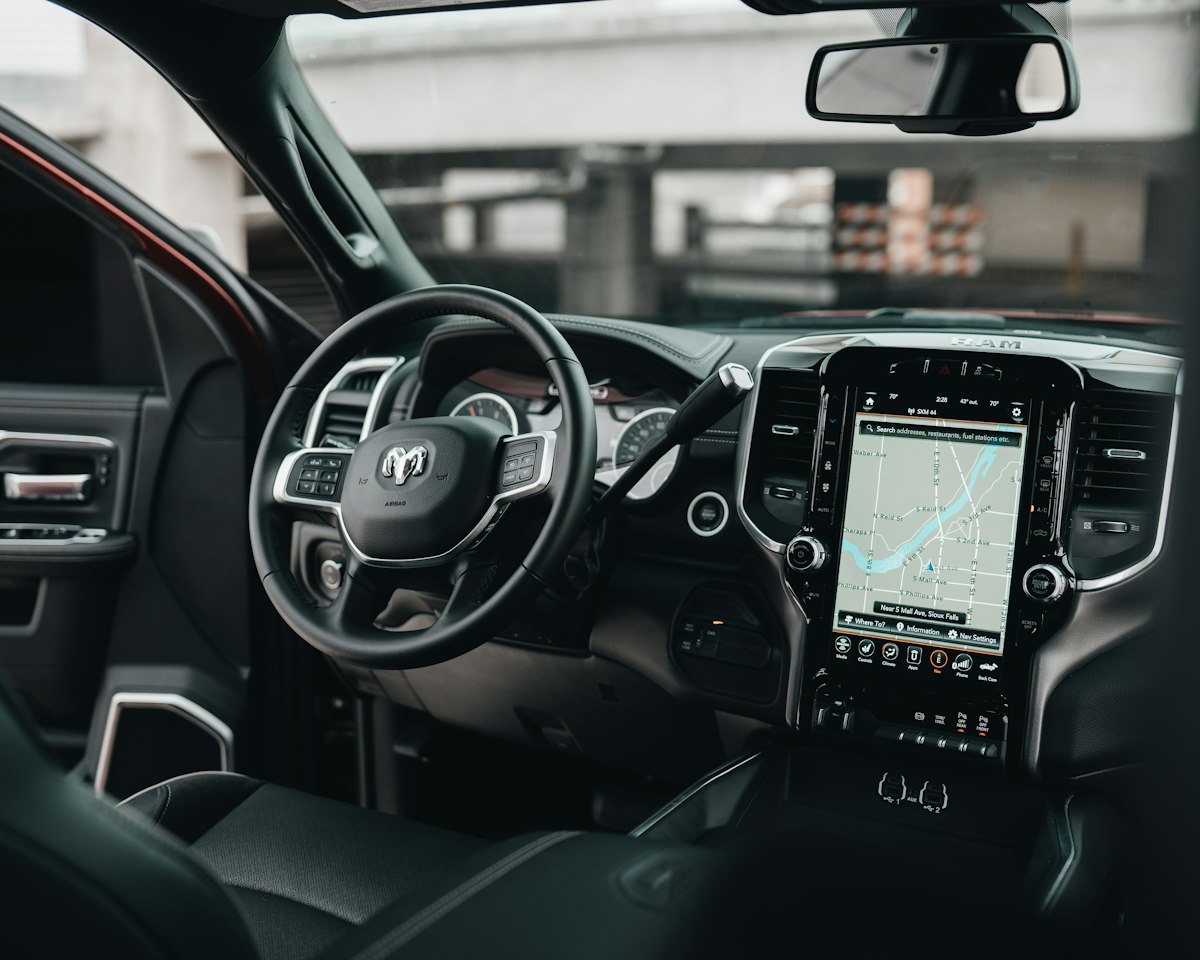
We spend 100% of our driving time inside the cabin, yet automotive interiors are often neglected until dust builds up, leather stiffens, and unpleasant odors take over. Interior detailing restores comfort, sanitizes touchpoints, and protects materials from premature wear.
At The Detailing Ace, we have compiled this comprehensive, beginner-friendly guide to detailing your vehicle's interior from top to bottom.
1. Preparation & Order of Execution
Always detail your interior following the Top-to-Bottom, Dry-to-Wet rule:
- 1Remove trash, floor mats, and personal items.
- 2Dry dusting and preliminary vacuuming.
- 3Headliner, pillars, and sun visors.
- 4Dashboard, instrument cluster, and center console.
- 5Door panels and jambs.
- 6Seats (leather or cloth).
- 7Floor carpets and pedals.
- 8Interior glass and mirrors.
2. Step-by-Step Deep Cleaning Guide
Step 1: Floor Mats & Heavy Carpet Vacuuming
- Remove floor mats and shake out loose dirt.
- Agitate carpets with a stiff nylon detailing brush to release trapped sand before vacuuming.
- Use a high-power vacuum with a narrow crevice tool along seat tracks and center console crevices.
Step 2: Dashboard, Console & Air Conditioning Vents
- Dusting Vents: Use a dry soft boar's hair brush to sweep dust out of AC vent louvers while holding a vacuum nozzle nearby to capture airborne particles.
- Infotainment Screens: Clean screens with dedicated screen cleaners or distilled water using an ultra-soft edgeless microfiber. Never use alcohol or ammonia glass cleaners on navigation displays.
- Plastics & Vinyl: Wipe down with a mild interior cleaner; follow with a non-greasy matte UV protectant.
Step 3: Leather & Upholstery Care
- Leather Surfaces: Clean with a dedicated pH-balanced leather cleaner and soft horsehair brush. Wipe dry and apply a nourishing conditioner to prevent drying and cracking.
- Fabric Seats: Mist lightly with upholstery cleaner, agitate with a soft brush, and extract with dry microfiber towels or a wet vacuum.
Step 4: Crystal-Clear Interior Glass
- Spray glass cleaner directly onto your microfiber towel (not on the glass) to avoid overspray on the dashboard.
- Wipe in horizontal passes on the inside and vertical passes on the outside. This makes it easy to identify which side any remaining streaks are on.
3. Top Interior Detailing Rules to Remember
- Never Use Greasy, High-Gloss Dressings: Shiny silicone sprays attract dust like a magnet and create dangerous dashboard reflections on the windshield.
- Avoid Soaking the Headliner: Headliner fabric is glued to a foam backing with heat-sensitive adhesives. Excess moisture causes the headliner to sag.
- Work with Clean Microfibers: Use color-coded towels—one color for dirty door jambs, one for leather, and one exclusively for glass.
Frequently Asked Questions (FAQ)
How do I get rid of bad odors inside my car?
Locate and eliminate the source first (spills, damp carpets, clogged cabin air filter). Clean the area thoroughly with an enzyme cleaner, replace the cabin air filter, and perform an ozone treatment for persistent odors.
How often should interior detailing be performed?
Perform a light interior vacuum and wipe-down every 2 weeks, and a comprehensive deep interior detail every 3 to 6 months.