
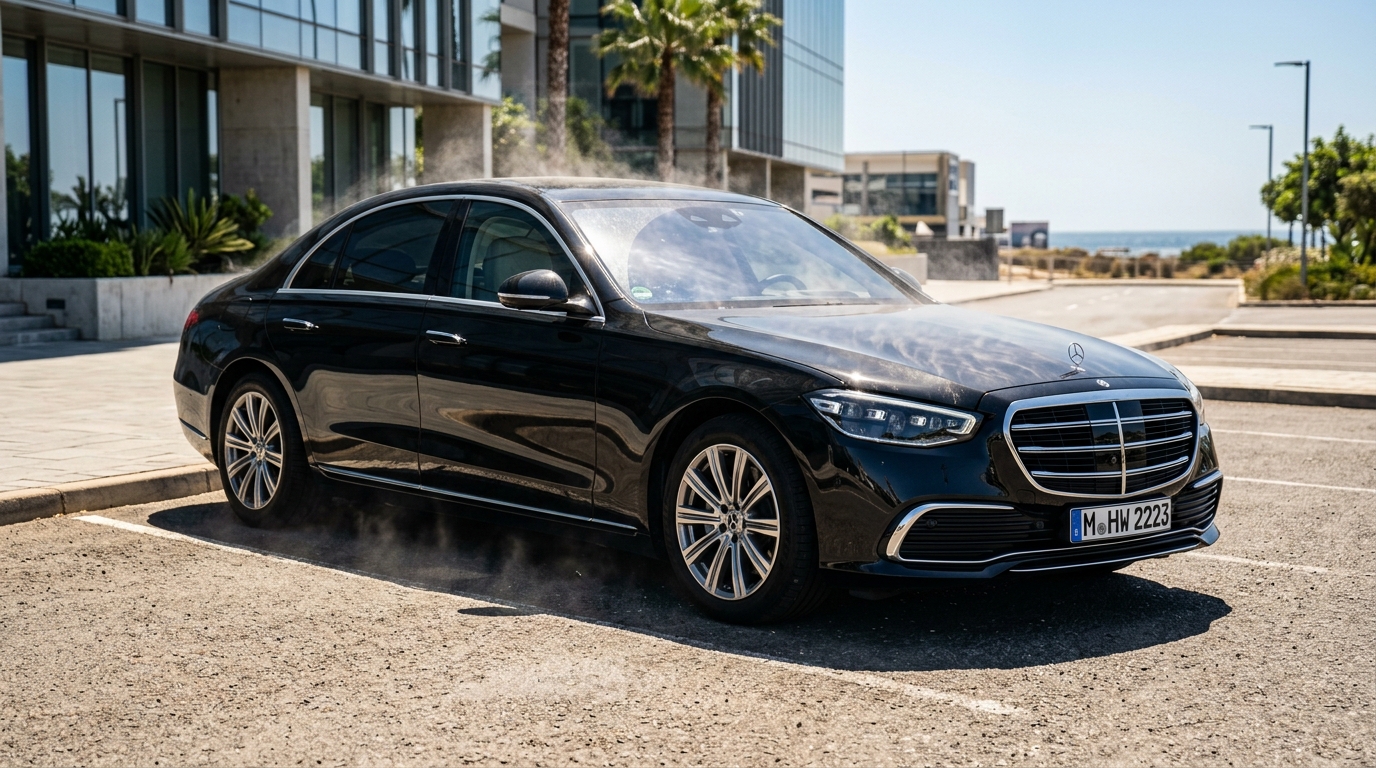
Intense sunlight and ultraviolet (UV) radiation are among the most destructive natural elements your vehicle faces. Constant sun exposure causes clear coat oxidation, paint fading, cracked dashboards, and brittle leather upholstery.
At The Detailing Ace, we recommend a proactive approach to automotive sun defense. Here are 7 practical, proven tips to keep your car looking fresh and fully protected from the sun all year round.
1. Park in Shaded or Covered Areas
The simplest and most effective way to minimize solar damage is reducing the hours your car sits under direct sunlight.
Smart Parking Habits:
- Utilize garages, carports, or parking structures whenever available.
- Look for shade cast by buildings or parking canopies during midday hours.
- If parking under trees, ensure you have a protective coating to guard against acidic bird droppings and tree sap.
2. Use a High-Quality Windshield Sunshade
Your vehicle's windshield acts like a greenhouse magnifying glass, raising interior cabin temperatures above 60°C on sunny days.
Benefits of Reflective Sunshades:
- Protects the Dashboard: Prevents vinyl dashboards from drying out, fading, and developing unsightly stress cracks.
- Preserves Electronics: Shields infotainment screens, steering wheel buttons, and digital instrument clusters from heat degradation.
- Lowers Cabin Temperature: Significantly reduces internal heat, allowing your air conditioning system to cool the cabin faster.
3. Apply a Ceramic Coating or UV Paint Sealant
Bare factory clear coat is vulnerable to UV photodegradation. Over time, sunlight breaks down the clear coat resins, leading to a dull, chalky surface and eventual clear coat failure.
How Protective Coatings Shield Paint:
- Inorganic Quartz Barrier: Ceramic coatings incorporate nano-silica (SiO₂) that reflects harmful ultraviolet rays.
- Thermal Resistance: Resists high panel surface temperatures without melting, unlike organic carnauba waxes that liquefy at 65°C.
- Chemical Shield: Prevents heat-baked bug residue and bird acid from burning into the paint.
4. Condition Leather & Interior Vinyl Trim Regularly
High interior heat leaches natural moisture and plasticizers from leather seats, door cards, and steering wheels.
Interior Protection Routine:
- 1Clean First: Wipe surfaces with a dedicated interior cleaner to remove sweat oils and dust.
- 2Apply UV Blockers: Use non-greasy, matte-finish leather conditioners and vinyl dressings containing dedicated UV inhibitors.
- 3Frequency: Treat interior leather and plastics every 6 to 8 weeks for daily-driven vehicles.
5. Wash Your Vehicle Regularly Using the Two-Bucket Method
Dust, pollutants, and road film absorb solar heat and accelerate paint degradation when baked onto the finish.
Best Washing Practices:
- Wash in the Shade: Never wash panels while they are hot to the touch.
- Use Two Buckets with Grit Guards: One bucket for clean soapy water, one for rinsing your wash mitt to avoid dragging grit across panels.
- Dry Thoroughly: Never let rinse water dry under the sun; use plush microfiber towels to prevent mineral water spots.
6. Install Premium Ceramic Window Tint Film
Automotive window film is not just for aesthetics—it provides vital thermal and health protection.
Advantages of Ceramic Window Films:
- 99% UV Ray Rejection: Prevents interior upholstery fading and protects passenger skin from harmful UVA/UVB exposure.
- High Infrared (IR) Heat Rejection: Blocks up to 80%+ of radiant solar heat from entering the vehicle.
- Enhanced Privacy & Glare Reduction: Improves driving comfort during bright sunny afternoons.
7. Keep Your Tire Sidewalls Protected
Tires are constantly exposed to direct sunlight, causing ozone cracking and sidewall dry rot.
Tire Care Guidelines:
- Clean tires thoroughly using a non-acidic rubber cleaner to remove brown road bloom (antioxidant migration).
- Apply a water-based, non-sling tire dressing with UV inhibitors.
- Avoid petroleum-based solvents that degrade tire rubber over time.
Frequently Asked Questions (FAQ)
Can clear coat oxidation from sun damage be reversed?
Light surface oxidation can be corrected through professional dual-action machine polishing. However, if the clear coat has begun to peel, bubble, or turn white (clear coat failure), repainting is the only solution.
How often should I apply interior UV protectant?
For vehicles parked outdoors frequently, applying a quality matte interior UV dressing every 4 to 6 weeks keeps dashboards supple and crack-free.